Diversion Behavioral Healthcare

Diversion Behavioral Healthcare
Diversion Behavioral Healthcare Resources & Services (D.B.H.R.S.) uses MRT (Moral Reconation Therapy) and UTC (Universal Treatment Curriculum) based programming to target multiple behavioral and psychological areas.
DBHRS uses MRT-Based and UTC Programming to target and treat:
What is MRT?
Moral Reconation Therapy (MRT), developed in 1985, is a systematic method designed to promote positive self-image and identity. MRT seeks to re-educate clients socially, morally, and behaviorally to instill appropriate goals, motivation and values through systematic self-evaluation and goal-activities.
MRT-treated clients show significantly lower recidivism for periods as long as 20 years. Studies show MRT-treated offenders have re-arrest and incarceration rates 25% to 75% lower than expected. MRT has been offered by L.E.A.D. Institute since February 2015.
L.E.A.D. Institute is partnered with the Court System to rehabilitate referred offenders. Once Users and/or Offenders successfully complete the therapy, sentencing will be avoided with no criminal record. Because psychoactive substances have the potential to harm individuals’ health and lead to societal harm, LEAD Institute through DBHRS provides psychoeducation and treatment programs to students, the corporate environment, and the wider community.
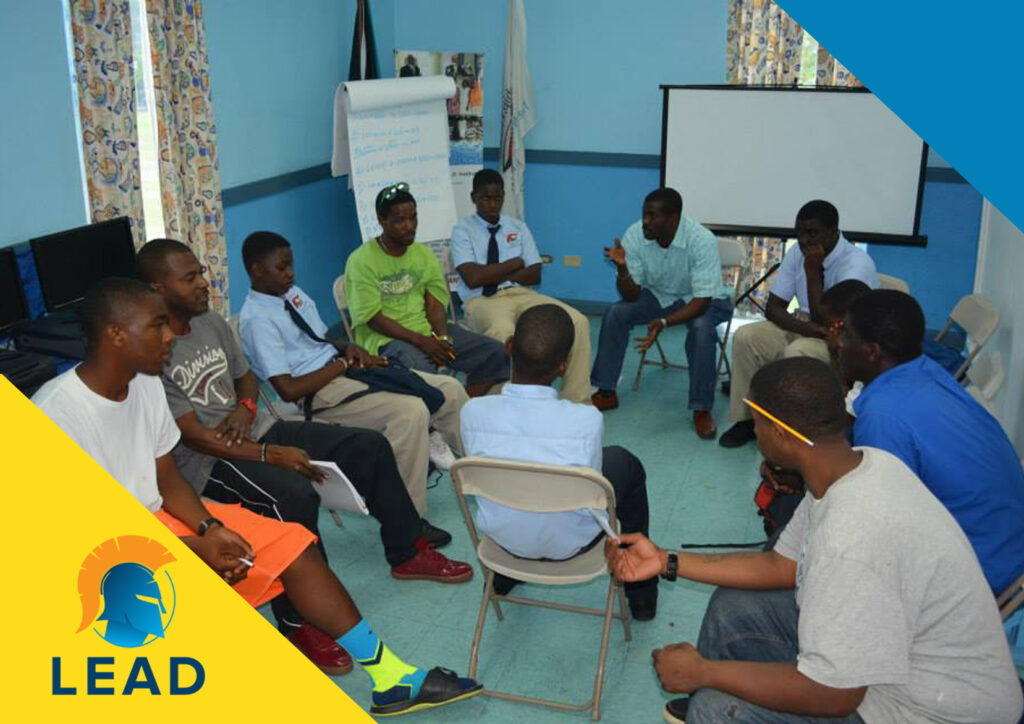
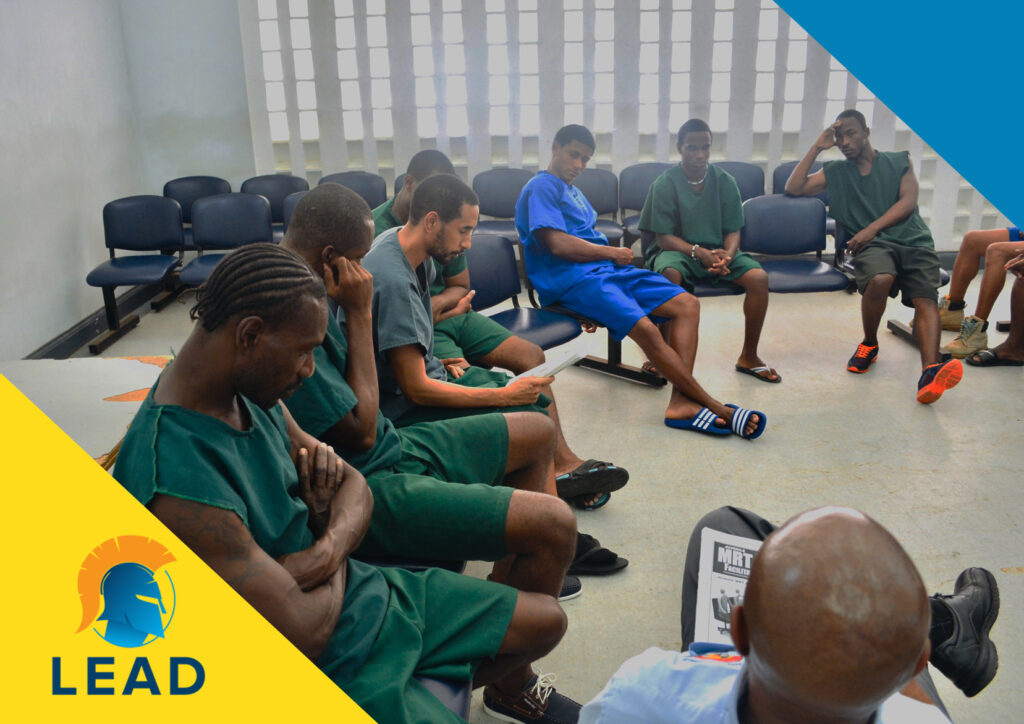
MRT Group Therapy
Requirements
- Program Fee $200 down / $50 weekly
- Identification Photo ID
- Insurance National Insurance Card
- Travel ID Passport
- Legal Check Police Record
- Reference Referral
MRT Group Programs
Click on any program below to view details and required materials.
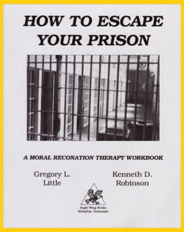
Addiction & Substance Abuse
The MRT substance abuse program consists of 16 steps. Twelve steps are considered completion. Generally completed within 24-36 group sessions. Clients complete workbook homework prior to coming to each session and present their homework in open-ended groups.
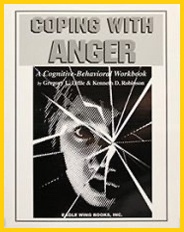
Anger Management
Coping with Anger is designed to help clients recognize, overcome, and control anger. Appropriate for youth and adults, this 8-module program can be completed in 8-10 sessions. Includes psychoeducation, conflict resolution, and pro-social skill building.
Parenting Program
Parenting and Family Values is appropriate for all parents in mental health and criminal justice settings. The 12-module workbook is designed for 12 group sessions, conducted in either an open-ended format or as a closed class.

Job Readiness
Focuses on preparing individuals for the workforce, instilling professional habits, values, and the motivation needed to secure and maintain long-term employment. (No specific workbook required).
Relapse Prevention
Advanced therapy modules to help individuals maintain their sobriety and identify triggers before they lead to a relapse. Taught as an advanced progression. (No specific workbook required).
Trauma Treatment
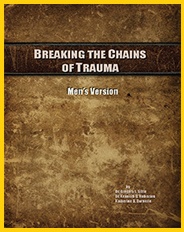
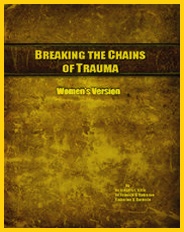
Breaking the Chains of Trauma is a trauma-informed care recovery program based on the MRT approach. Designed as an 8-session group format with separate workbooks available for male and female participants.
Mental Health Treatment
Discovering Life and Liberty in the Pursuit of Happiness includes 16 steps, with 12 typically completed in 24-26 group sessions. Used in psychiatric hospitals, educational settings, and day treatment programs.

Domestic Violence Treatment
Bringing Peace to Relationships is divided into 24 modules, used with many batterer programs as the primary treatment method. Open-ended groups allow participants to enter at any time.


Smoking Cessation Treatment
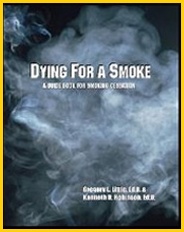
Dying For A Smoke helps individuals stop smoking through an 8-chapter workbook. Sessions 1-5 prepare individuals to make a plan, and session 6 is designed to be the point of ceasing tobacco use.